Publications

Data-driven Control & Planning for Uncertain Complex Systems

2022
The University of Texas at Dallas
Organization of the dissertation
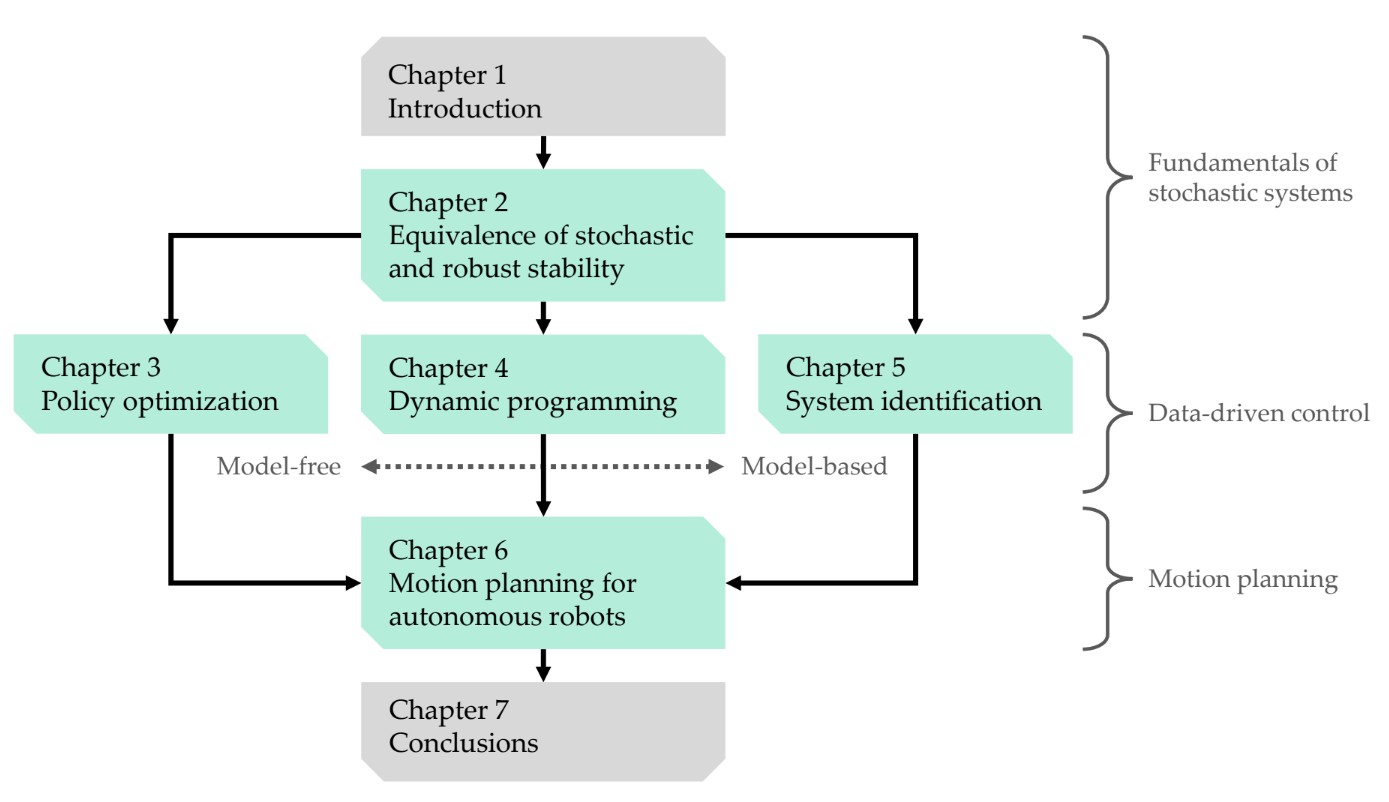
Organization of the dissertation.

Anomaly Detection Under Multiplicative Noise Model Uncertainty

2022
American Control Conference (ACC)
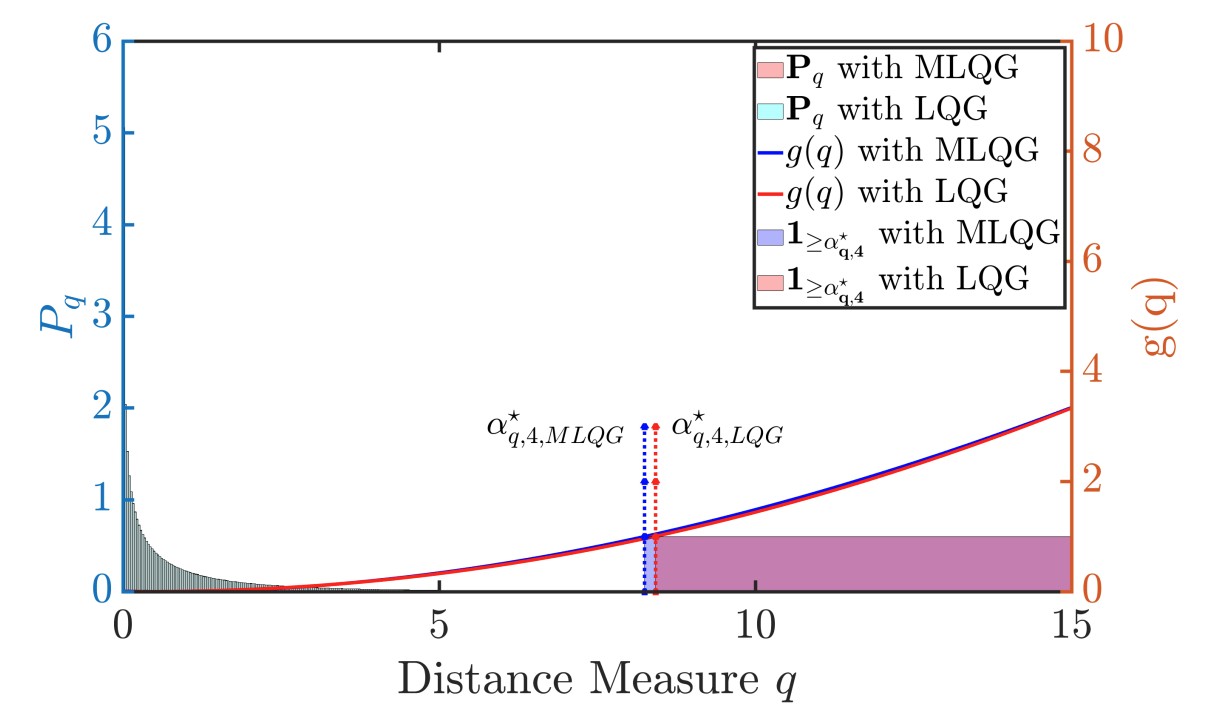
Histograms of MLQG and LQG estimator distributions with moment-based polynomial threshold bounds
Detector Threshold With Multiplicative Noise: The histograms of the q_k using the MLQG and LQG estimators with σ²_{a,1} = σ²_{c,1} = 0.06 are shown in red and cyan colors respectively. The moment based polynomial g(q) shown in blue and red curves bound their indicator functions in shaded blue and red respectively. Though both MLQG and LQG achieve mean-square compensation, the MLQG results in a tighter threshold than the LQG.

Robust Data-Driven Output Feedback Control via Bootstrapped Multiplicative Noise

2022
Learning for Dynamics and Control (L4DC)
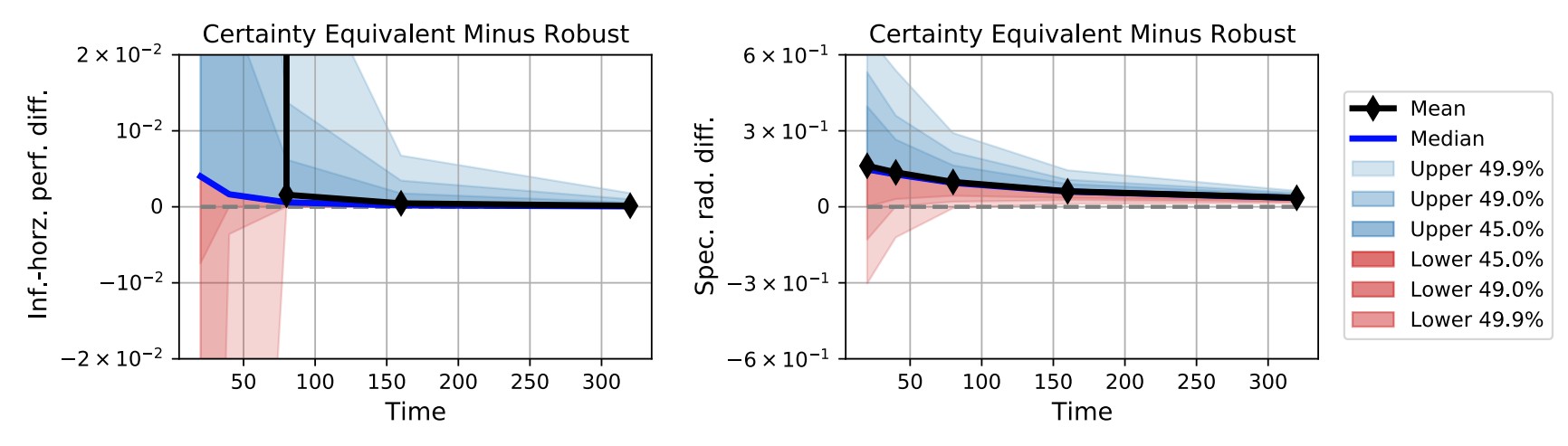
Performance and spectral radius difference between CE and RMN control methods vs time
Difference between CE and RMN on infinite-horizon performance J_T/J* and closed-loop spectral radius ρ(Φ_T) metrics vs time. Differences between metrics using CE and RMN were computed for each Monte Carlo trial individually; statistics of the resulting empirical distribution are shown.
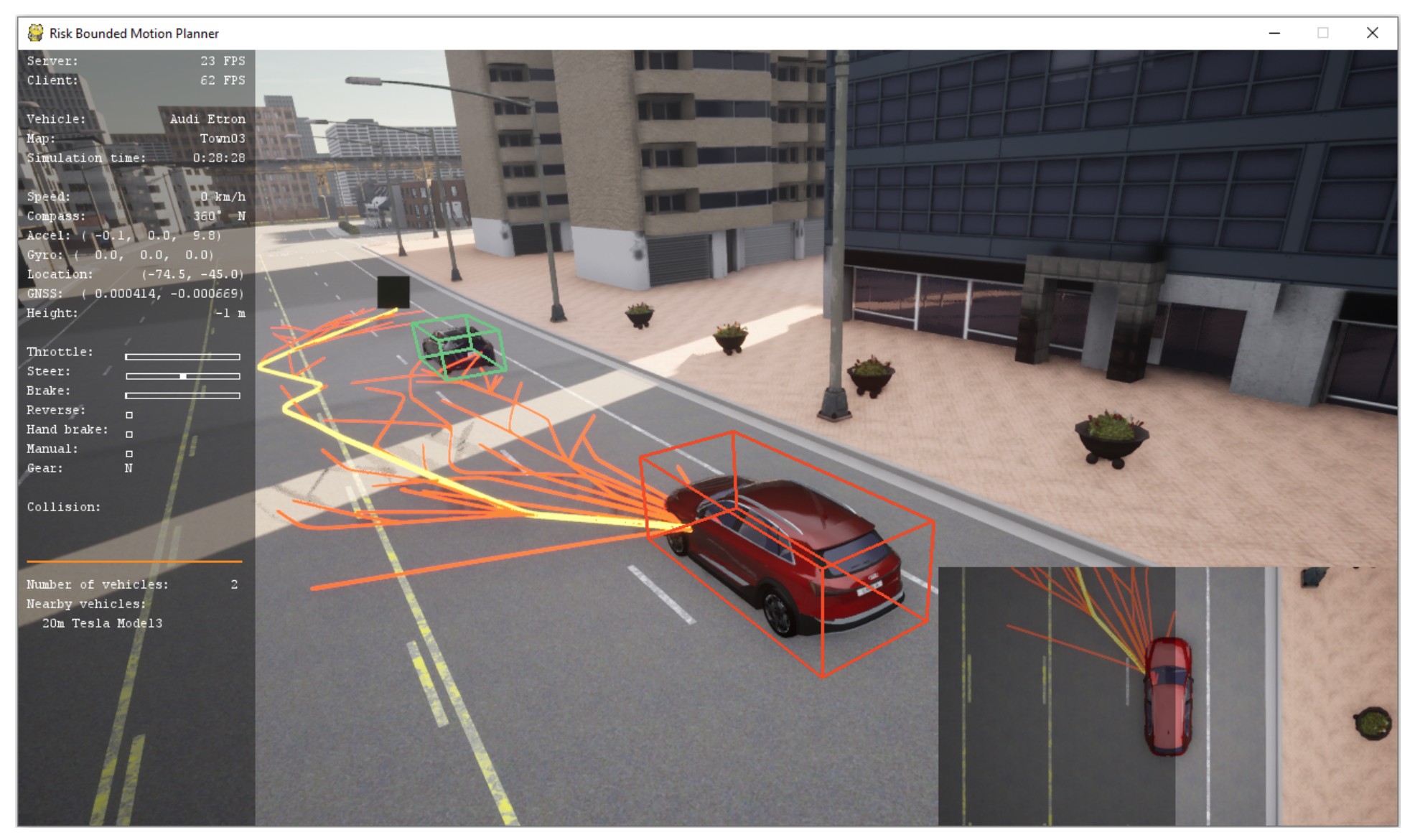
NRB-RRT* tree and reference path in urban driving simulator
Our proposed approach is demonstrated using an urban driving simulator [17]. An NRB-RRT* tree (in orange color) as a result of 200 iterations and the resulting reference path (in yellow color) from the start to the goal region are shown here. The NRB-RRT* algorithm employed distributionally robust chance constraints with α = 0.05.

Policy Iteration for Multiplicative Noise Output Feedback Control

2022
Conference on Decision and Control (CDC)
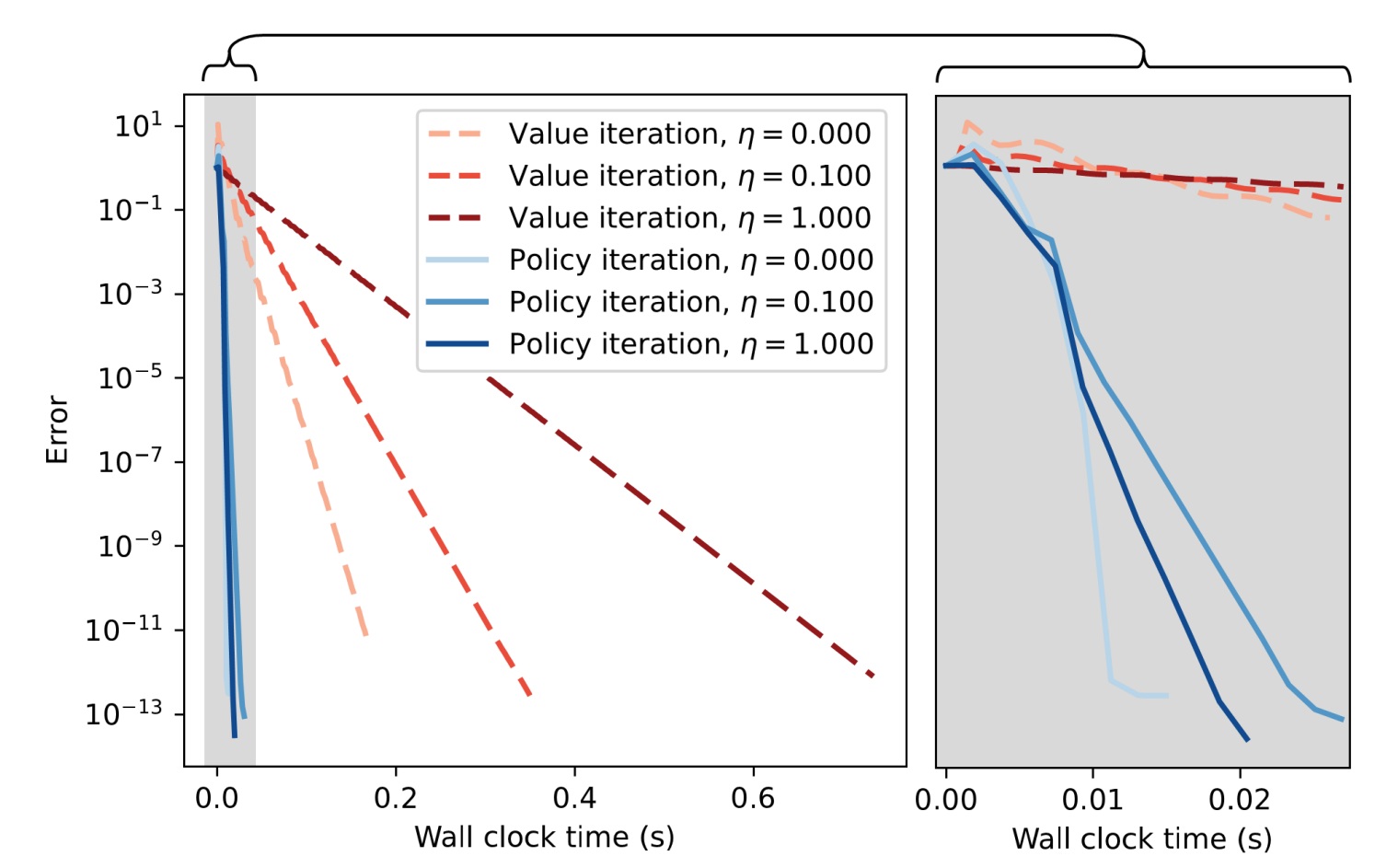
Convergence error versus wall-clock time for value iteration and policy iteration at several multiplicative noise levels
Convergence error versus wall-clock time, showing policy iteration converging far faster than value iteration across multiplicative noise levels.

Finite-Sample Analysis of Linear System Identification under Multiplicative Noise from Multiple Trajectory Data

2021
Automatica
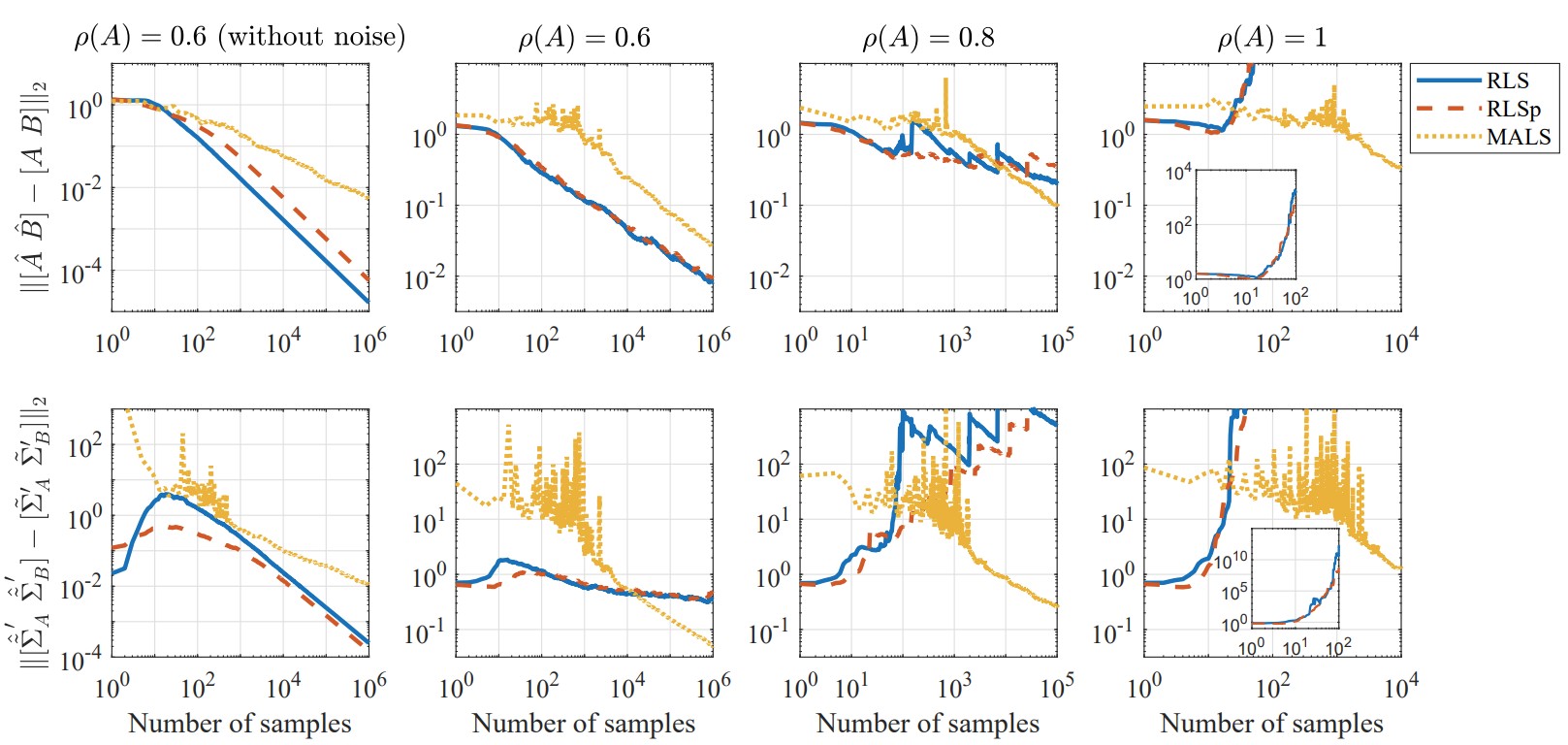
Finite-sample identification error bounds vs sample count and open-loop spectral radius for multi-trajectory estimation
Finite-sample identification error bounds as a function of sample count and open-loop spectral radius, comparing multi-trajectory estimation methods.

Policy Iteration for Linear Quadratic Games With Stochastic Parameters

2021
Conference on Decision and Control (CDC)
Robust control of spring-coupled masses
Robust control of spring-coupled masses.

Centralized Collision-free Polynomial Trajectories and Goal Assignment for Aerial Swarms

2021
IFAC Control Engineering Practice (CEP)
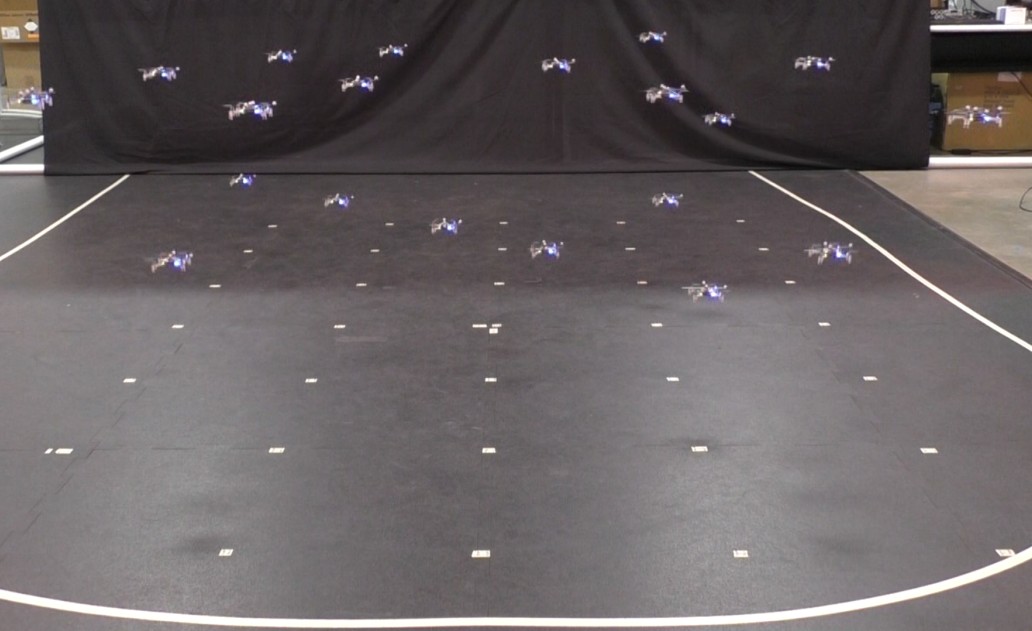
Drone swarm experimental setup mid-flight
Photograph of experimental setup of the drone swarm, mid-flight.

Approximate Midpoint Policy Iteration for Linear Quadratic Control

2021
Learning for Dynamics and Control (L4DC)
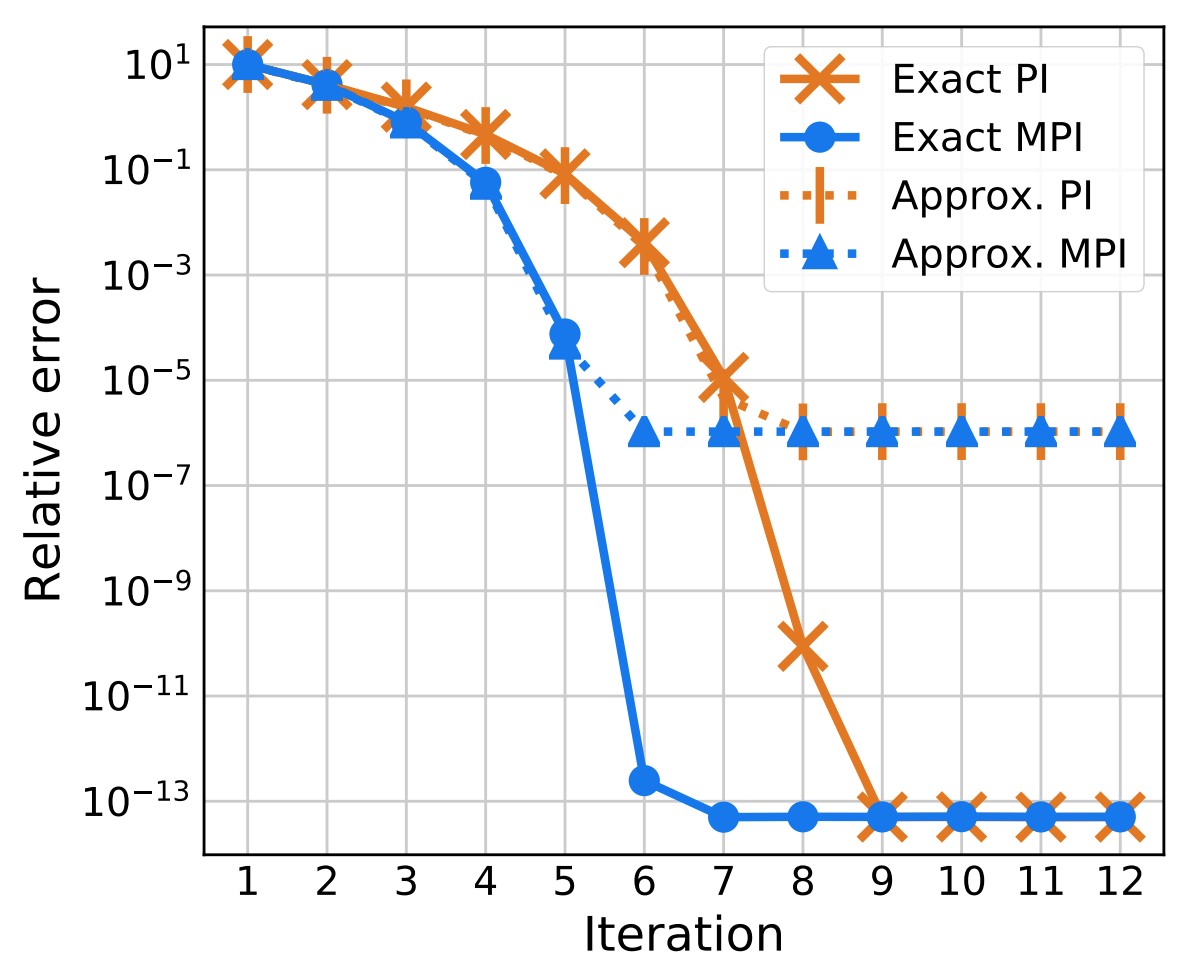
Relative value error vs iteration count comparing PI and MPI on inertial mass control
Relative value error ||P_k − P*||/||P*|| vs iteration count k using PI and MPI on the inertial mass control problem.

Risk-Averse RRT* Planning with Nonlinear Steering and Tracking Controllers for Nonlinear Robotic Systems Under Uncertainty

2021
IEEE/RSJ International Conference on Intelligent Robots and Systems (IROS)
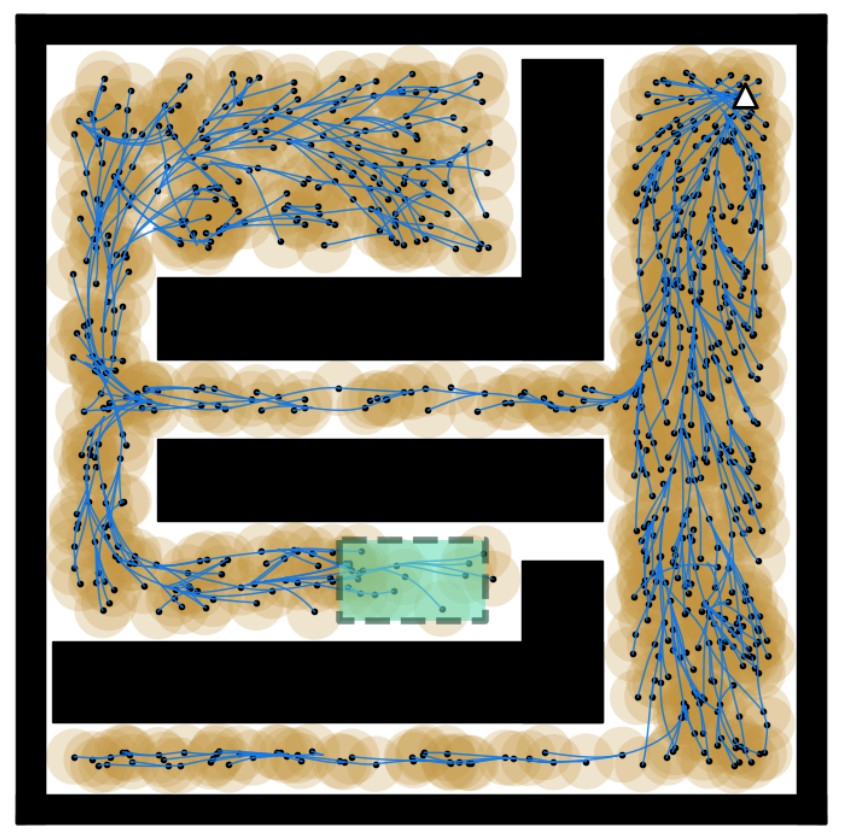
RANS-RRT* tree with trajectory segments, distributionally robust collision checks, and obstacle boundaries
Tree with 865 nodes grown by our proposed RANS-RRT* algorithm. Trajectory segments are shown as blue curves. The distributionally robust collision checks are represented by orange circles. The tree root is indicated by the white triangle and the goal region is the green rectangle with a dashed edge. Obstacles, including environment bounds are the black rectangles.

Stochastic Stability via Robustness of Linear Systems

2021
Conference on Decision and Control (CDC)
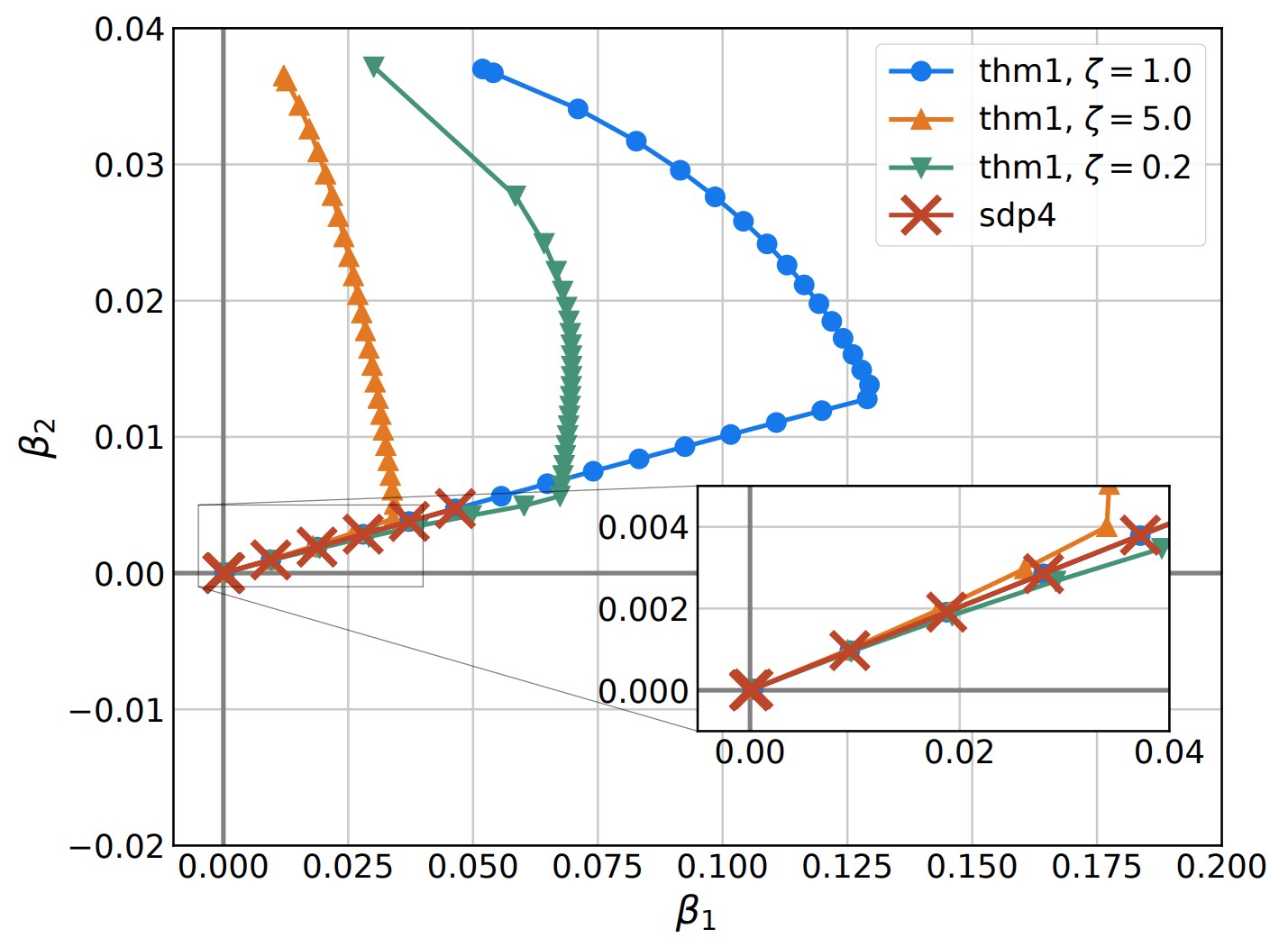
Certified ms-stability levels from Algorithm 1 and SDP as parameter a varies
Certified ms-stability levels βi found by Algorithm 1 (thm1) and the SDP (16) (sdp4). As a varies linearly from a = 0.001 to a = 1 paths are swept out from near the origin to larger positive values.

Learning Robust Control for LQR systems with Multiplicative Noise via Policy Gradient

2020
IEEE Transactions on Automatic Control (TAC)
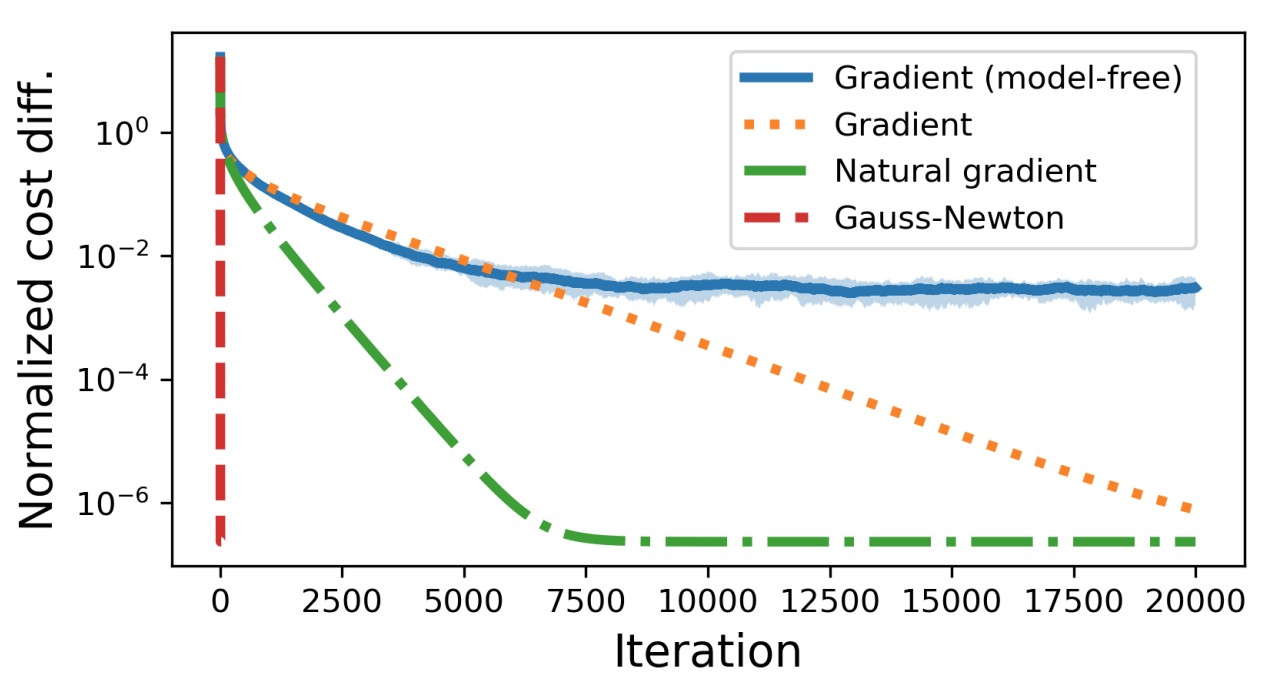
Relative cost error vs iteration for policy gradient on lossy diffusion network with backtracking and constant step sizes
Relative cost error (C(K)−C(K*))/C(K*) vs. iteration during policy gradient methods on a 4-state, 4-input lossy diffusion network with multiplicative noise using a) backtracking line search and b) constant step sizes.

Robust Control Design for Linear Systems via Multiplicative Noise
2020
IFAC World Congress
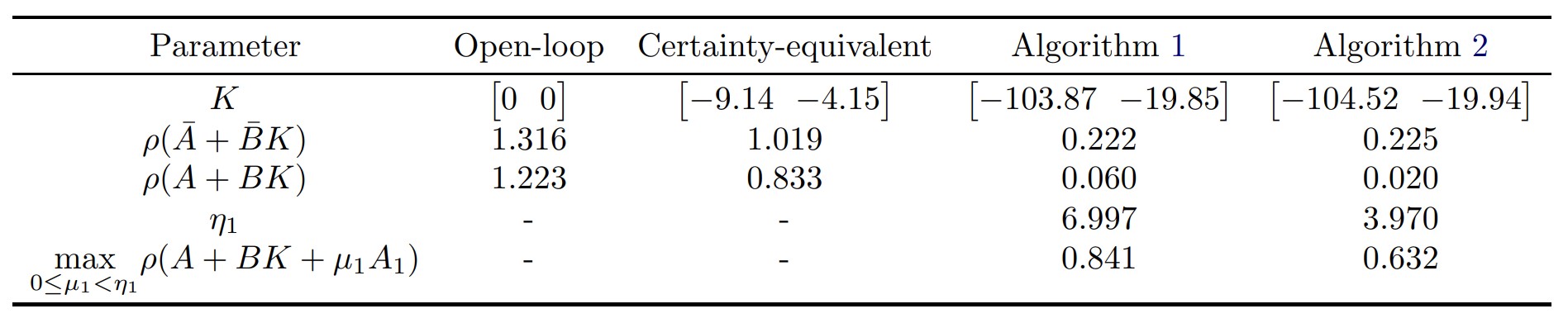
Stability results for robust control of an inverted pendulum
Stability results for robust control of an inverted pendulum.

Linear System Identification under Multiplicative Noise from Multiple Trajectory Data

2020
American Control Conference (ACC)
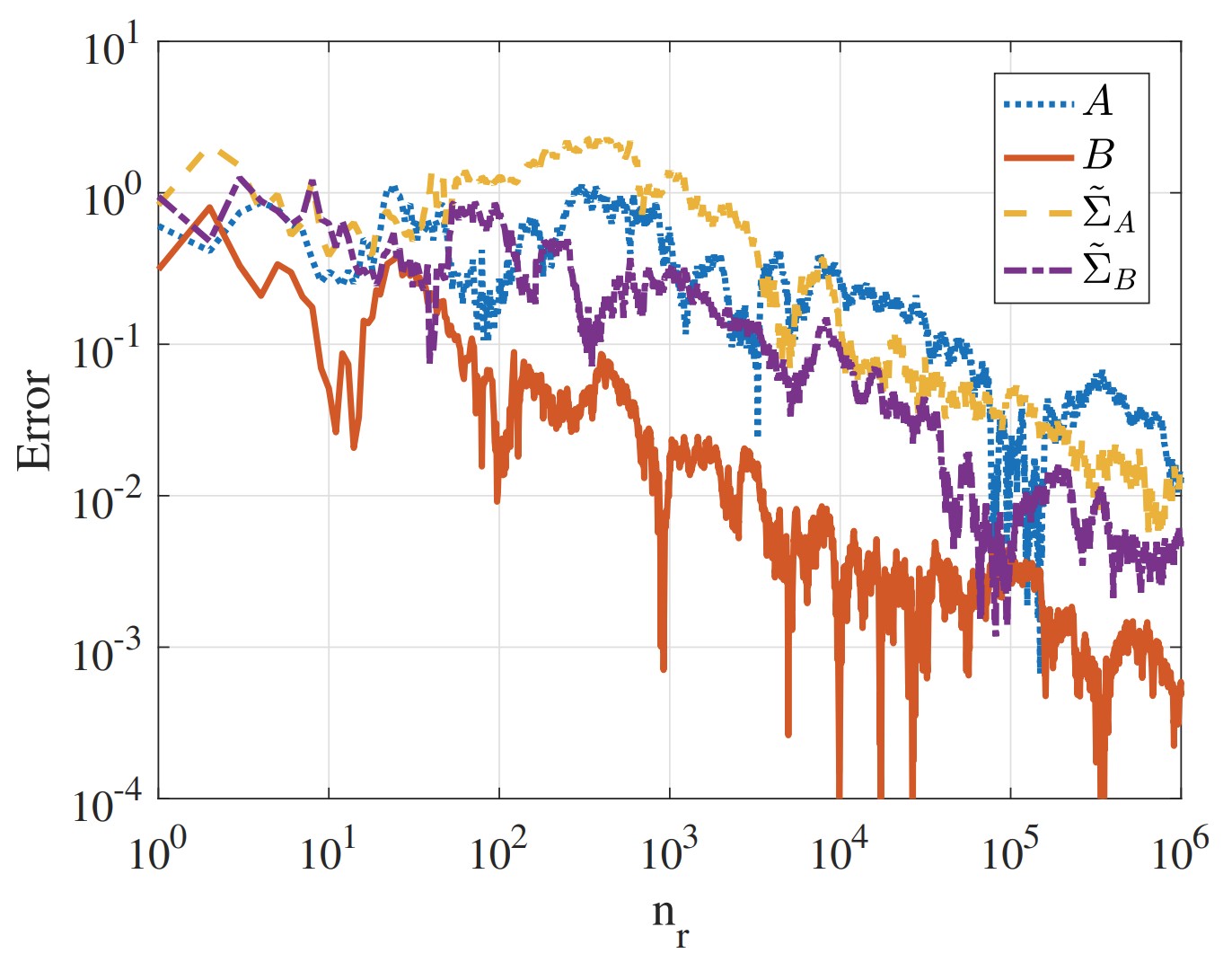
Estimation error in system matrices vs sample count using the proposed algorithm
Estimation error in system matrices vs sample count using the proposed algorithm.

Robust Learning-Based Control via Bootstrapped Multiplicative Noise

2020
Learning for Dynamics and Control (L4DC)
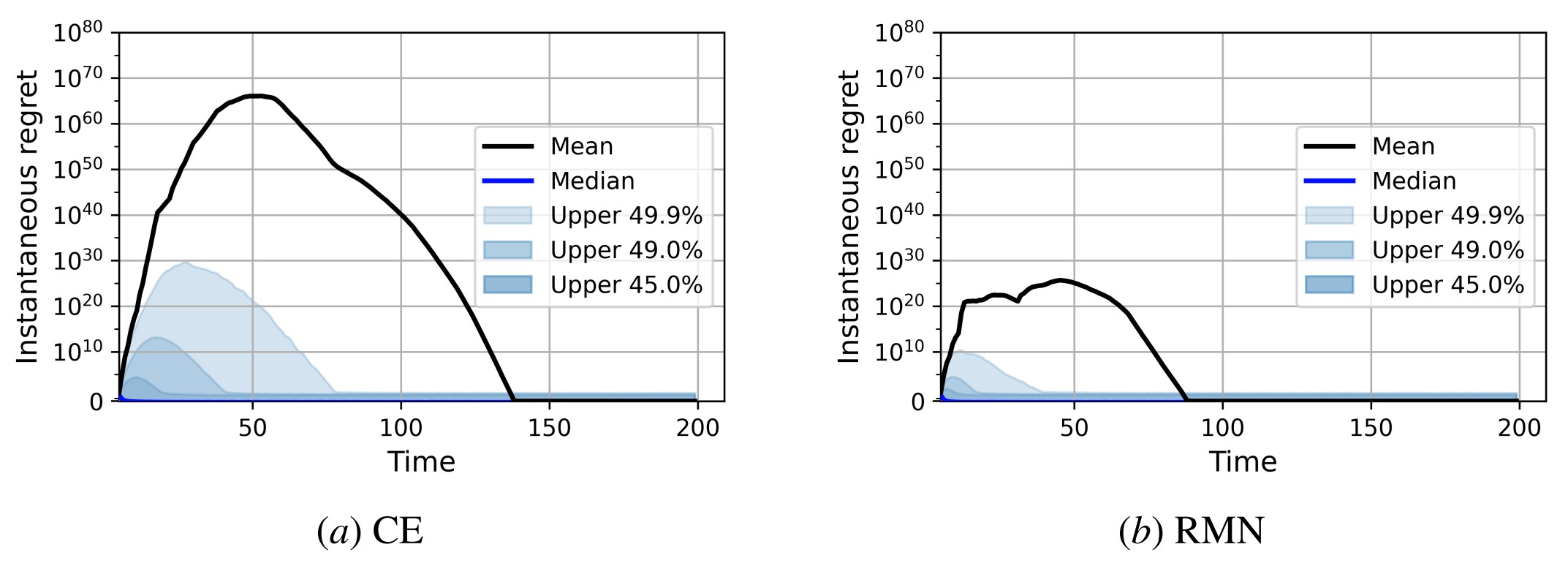
Instantaneous regret vs time comparing certainty-equivalent and multiplicative noise control
Instantaneous regret vs time for the example system using using certainty-equivalent (a) and multiplicative noise (b) control.

Sparse Optimal Control of Networks with Multiplicative Noise via Policy Gradient

2019
IFAC Workshop on Distributed Estimation and Control in Networked Systems (NECSYS)
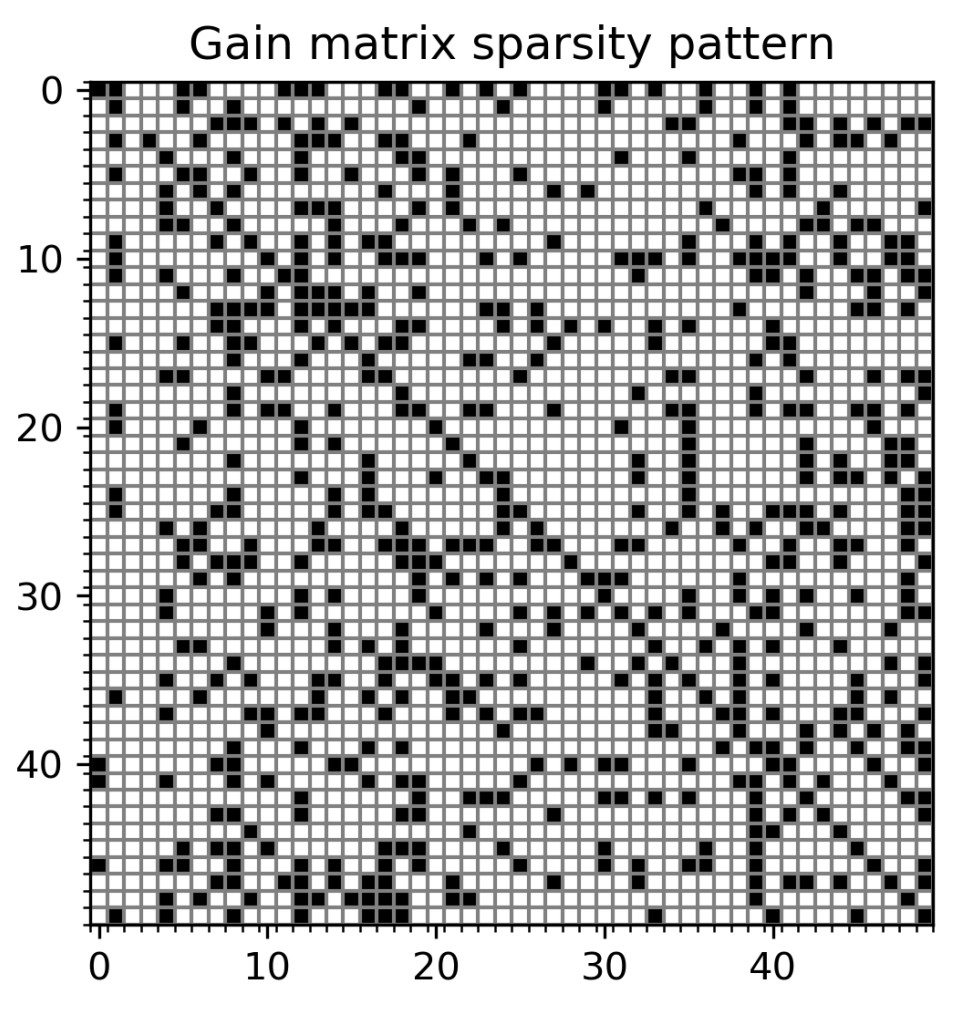
Sparsity pattern from subgradient descent on l1-norm regularized LQRm cost
Sparsity pattern designed using subgradient descent on the l1-norm regularized LQRm cost.

Concurrent Goal Assignment and Collision-Free Trajectory Generation for Multiple Aerial Robots

2018
IFAC Networked & Autonomous Air & Space Systems (NAASS)
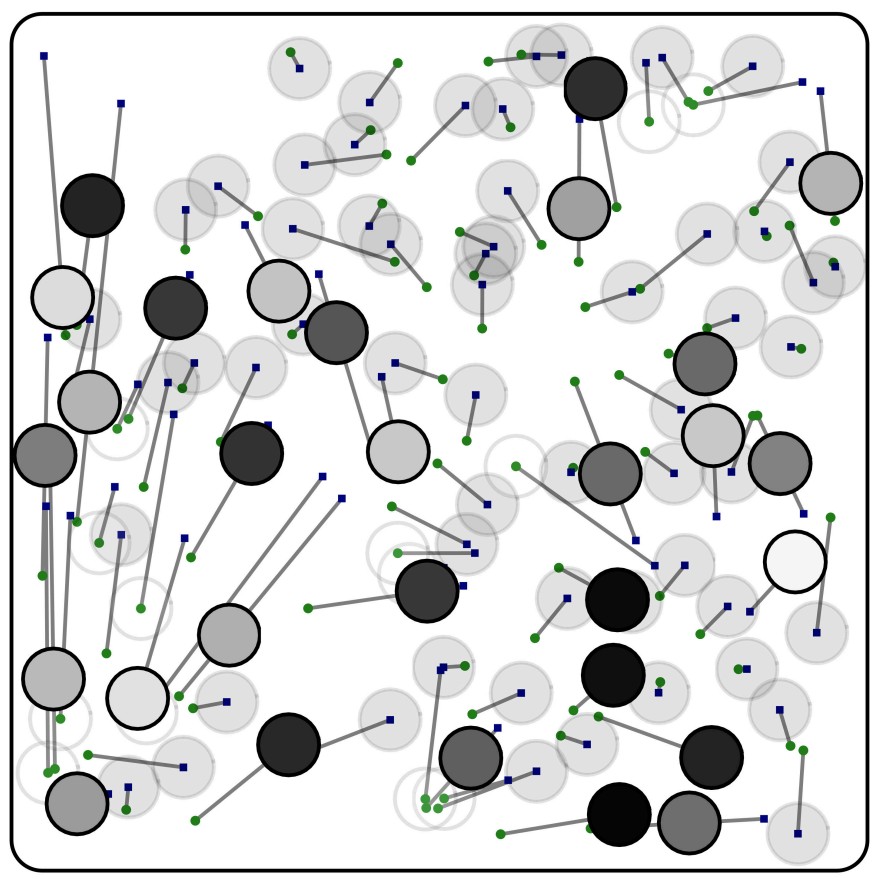
Visualization of 100 agents with collision resolution via time delays
Visualization of 100 agents with collision resolution via time delays.